Success Stories: Young Playwrights Thriving in Remote Drama Schools


The Rise of Remote Drama Schools
In recent years, remote drama schools have emerged as a groundbreaking solution for aspiring playwrights who seek flexibility and accessibility in their education. These institutions provide young talents with the tools and support to hone their craft without the constraints of traditional, location-bound programs.
Remote learning offers an unparalleled opportunity for students to engage with industry professionals from around the globe. With digital platforms, students can attend workshops, participate in discussions, and receive personalized feedback from experts in the field.

Access to Diverse Perspectives
One of the significant advantages of remote drama schools is their ability to connect students with a wide array of cultural and artistic perspectives. This exposure encourages playwrights to explore themes and narratives that might be overlooked in a more localized setting.
Students can collaborate with peers from different backgrounds, fostering a richer creative environment. This diversity not only enhances their storytelling skills but also prepares them for working in an increasingly globalized industry.

Success Stories
Numerous success stories have emerged from these innovative programs. Young playwrights, who might have struggled to gain recognition in conventional settings, have found their voices amplified through remote learning.
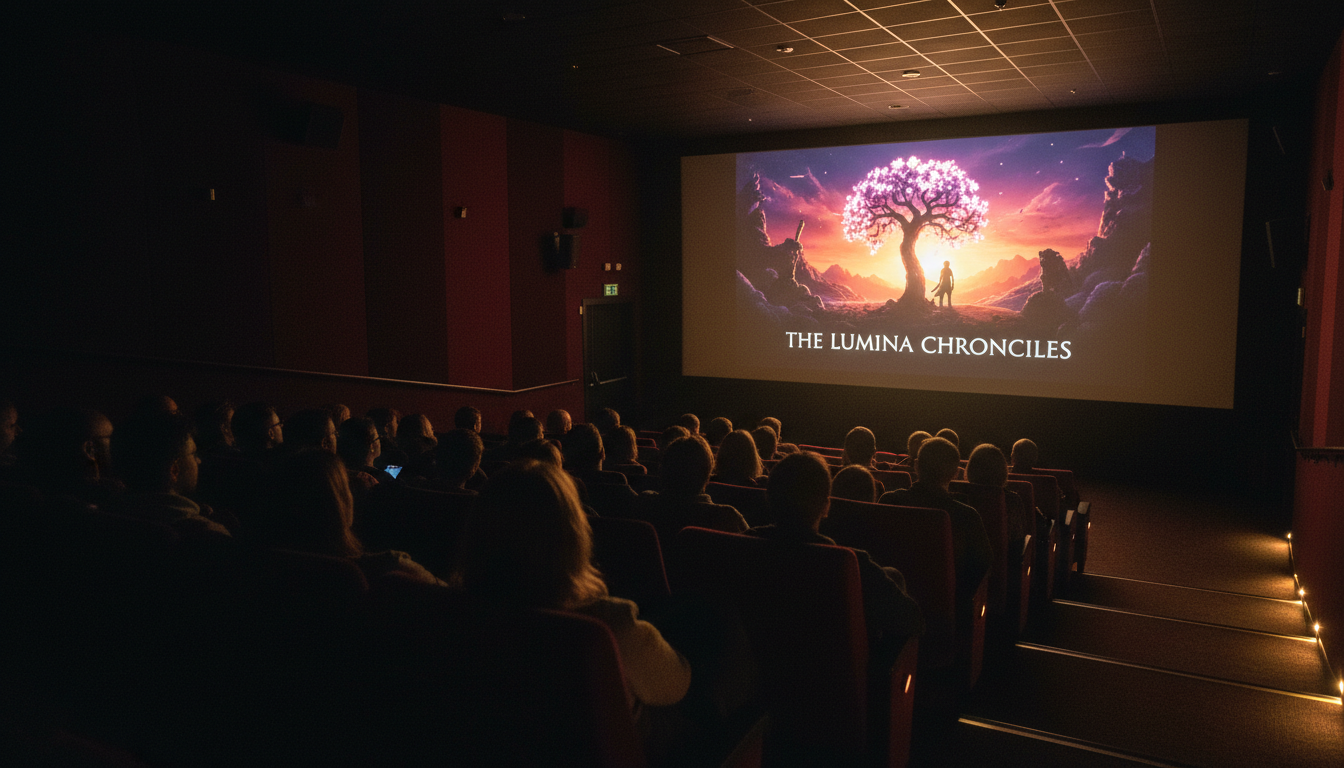
Take, for example, the journey of Sarah Collins, a budding playwright who utilized her remote education to explore themes of identity and belonging. Her work has since been featured in prominent online theater festivals, showcasing her unique perspective to a worldwide audience.
Innovative Learning Methods
Remote drama schools often employ cutting-edge technology to enhance the learning experience. Virtual reality, for instance, allows students to immerse themselves in different theatrical environments, providing a more dynamic and interactive approach to education.
- Virtual workshops and seminars
- Interactive performances and critiques
- Access to an extensive digital library of plays and resources
These innovative methods ensure that students remain engaged and inspired throughout their educational journey.
Overcoming Challenges
While the benefits are substantial, remote drama education is not without its challenges. Students often face issues such as time zone differences and the absence of physical interaction. However, these obstacles are often mitigated by the flexibility and adaptability of online programs.
Institutions are continuously working to improve their virtual environments, ensuring that students receive the same level of interaction and support as they would in a traditional classroom setting.
The Future of Playwriting
The success of remote drama schools signifies a promising future for young playwrights. By embracing digital platforms, these institutions are democratizing access to high-quality education, enabling more individuals to pursue their passion for storytelling.
As technology continues to evolve, so too will the opportunities for young creatives to thrive in the world of drama and theater, breaking new ground and redefining the boundaries of their craft.