The Future of Theatre: Trends in Remote Drama Education


The Evolution of Remote Drama Education
The world of theatre is undergoing a significant transformation, and remote drama education is at the forefront of this change. With advancements in technology and a growing demand for virtual learning options, theatre programs are adapting to reach students across the globe. This shift not only broadens access but also introduces a host of new trends and opportunities.
Technological Innovations in Theatre Education
One of the most exciting developments in remote drama education is the integration of innovative technologies. Virtual reality (VR) and augmented reality (AR) are being used to create immersive environments where students can explore different settings and enhance their performances. These technologies allow students to experience a variety of theatrical spaces without leaving their homes.
Additionally, online platforms and software provide interactive tools for script analysis, character development, and collaborative projects. These tools make it easier for students to work together, regardless of their geographical locations.
Broadening Access and Inclusion
Remote drama education has the potential to make theatre more accessible than ever before. Students from diverse backgrounds and locations can participate in high-quality programs without the need to relocate or travel. This inclusivity helps to democratize theatre education, allowing for a richer tapestry of voices and perspectives.

Moreover, online platforms often offer flexible schedules, which can accommodate students who are balancing other commitments, such as work or family. This flexibility ensures that more individuals have the opportunity to pursue their passion for theatre.
Challenges and Solutions
While the shift to remote drama education presents numerous benefits, it also comes with challenges. Technical issues, such as connectivity problems and varying levels of access to digital devices, can hinder the learning experience. However, many programs are finding creative solutions, such as providing equipment loans or offering tech support to students in need.
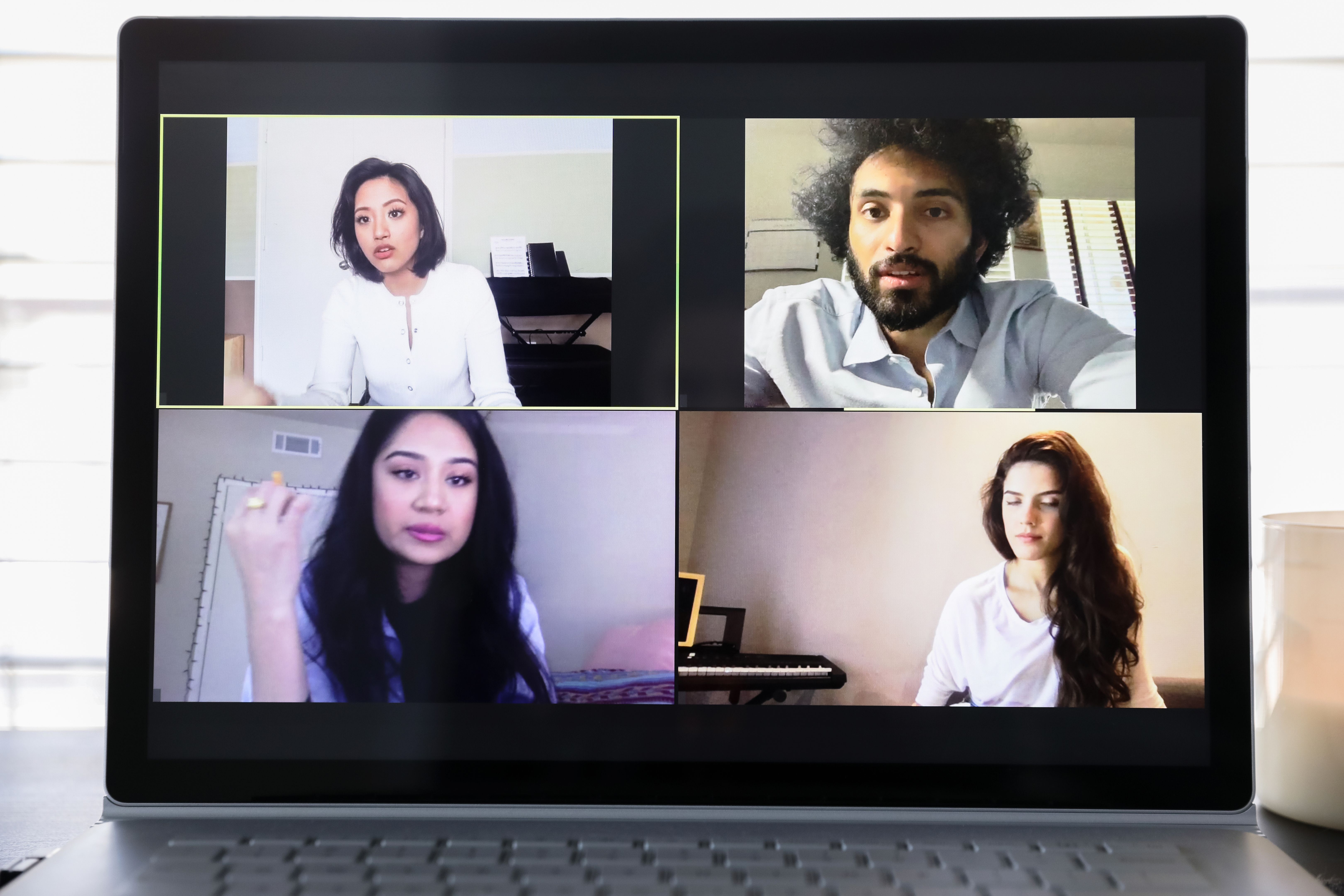
Another challenge is maintaining the sense of community and collaboration that is inherent in traditional theatre settings. To address this, educators are utilizing video conferencing tools and virtual workshops to foster connections and build strong ensemble dynamics.
The Future of Remote Drama Education
Looking ahead, remote drama education is poised to continue evolving. As technology advances and becomes more accessible, the possibilities for virtual learning in theatre will expand. Educators are likely to experiment with new formats, such as hybrid models that combine in-person and remote elements, offering the best of both worlds.

Furthermore, as remote drama education becomes more mainstream, it will likely influence the way theatre is produced and consumed. Online performances and digital storytelling are already gaining popularity, suggesting a future where theatre is both a live and virtual experience.
Conclusion
In summary, the future of theatre and remote drama education is bright and full of potential. By embracing technology and fostering inclusivity, the theatre community can reach new audiences and inspire the next generation of performers and creators. As these trends continue to develop, they will undoubtedly reshape the landscape of theatre education for years to come.