Transforming Your Living Room into a Stage: Remote Theater Tips


Creating the Perfect Ambiance
Transforming your living room into a stage for remote theater can be an exciting and rewarding project. The first step is to create the perfect ambiance. Consider the mood you want to set for your performance. This may involve dimming the lights or using lamps to spotlight key areas. Ambient lighting can drastically change the atmosphere and draw your audience into the story.
Additionally, think about the background. A clean, uncluttered space can focus the audience's attention on the actors and action. Consider using a backdrop if your living room is too busy. A simple sheet or curtain can work wonders.
Sound and Acoustics
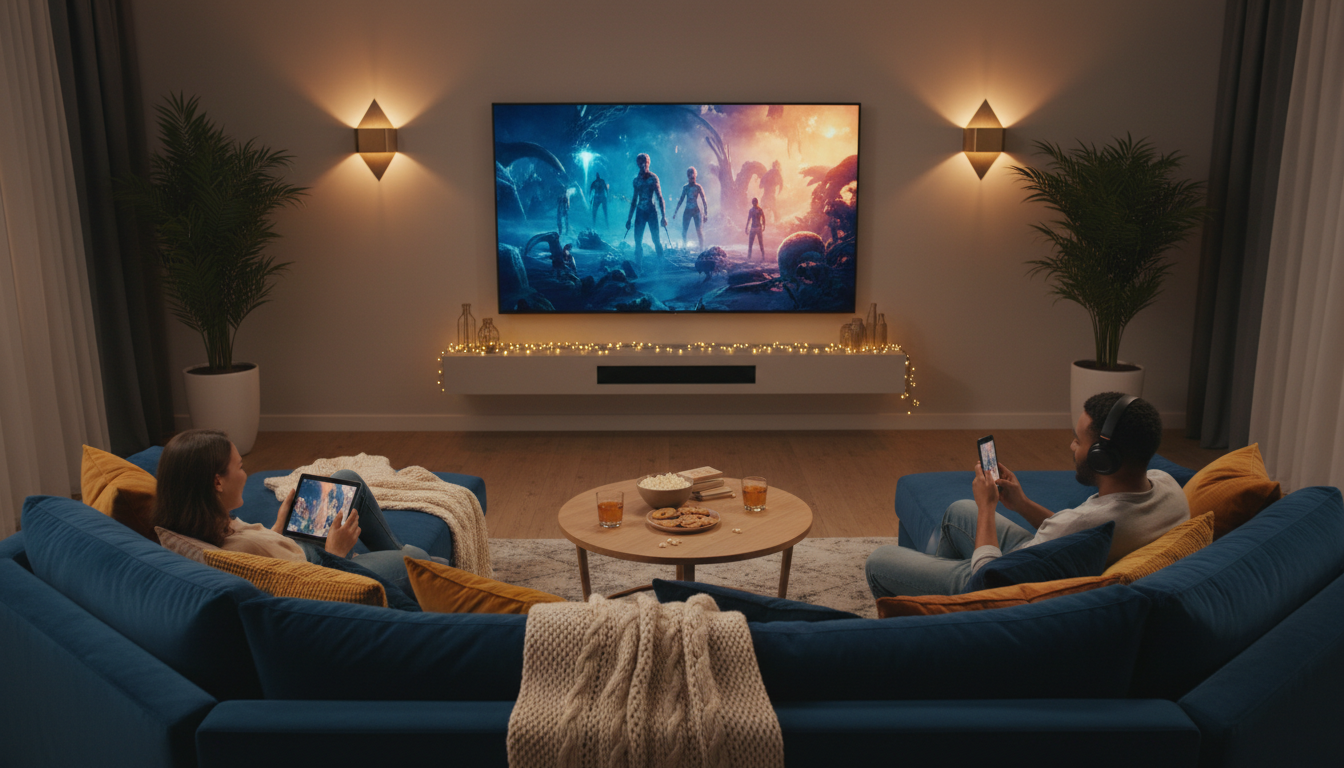
Sound quality is crucial in any theatrical performance. Poor acoustics can detract from even the best acting. Ensure your living room is equipped to handle sound well. Carpets and curtains can help absorb excess noise, making the dialogue clearer.
Consider investing in a good microphone if your performance includes dialogue. This can help project voices clearly, ensuring that every word is heard. Test the sound quality in different parts of the room to ensure consistency.
Setting the Stage
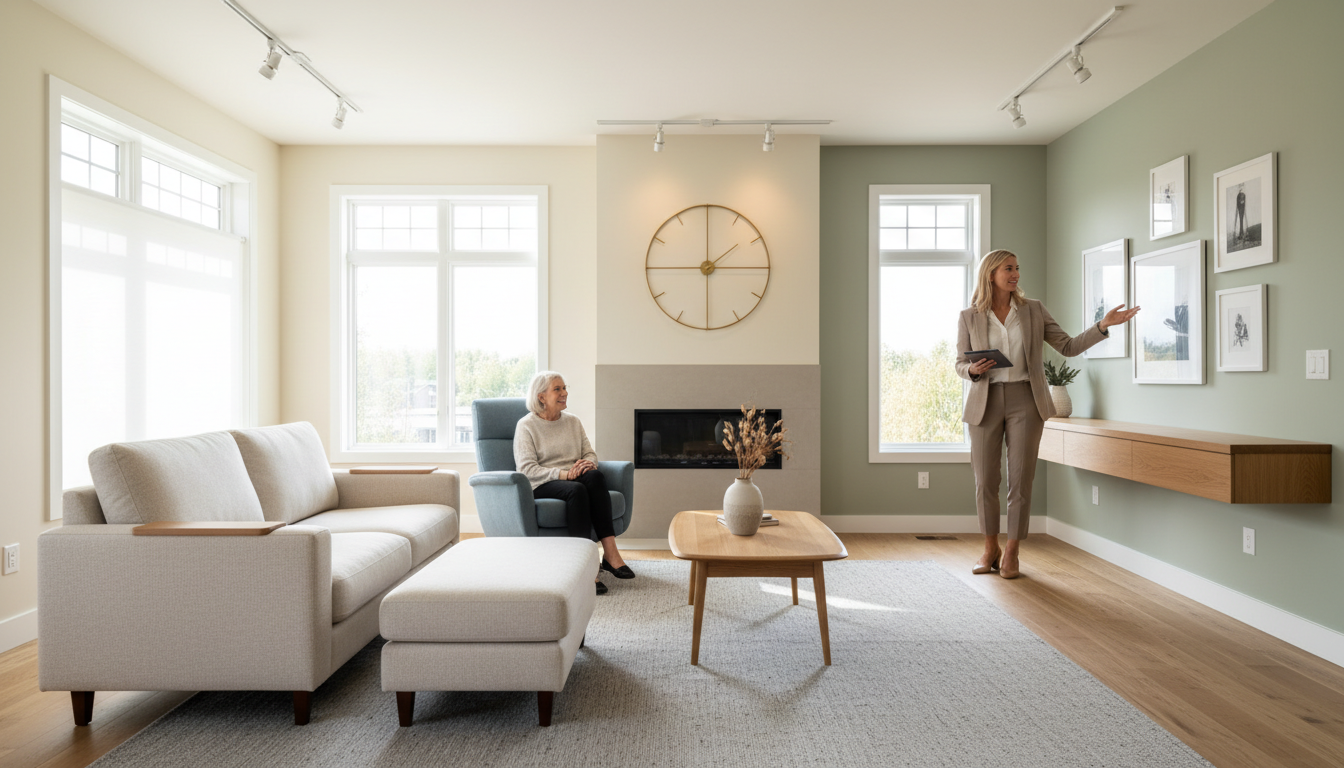
Your living room stage doesn't need to be elaborate. Begin by defining a performance area. Use furniture to mark boundaries, or simply rearrange items to create an open space. Ensure there is enough room for movement and interaction.
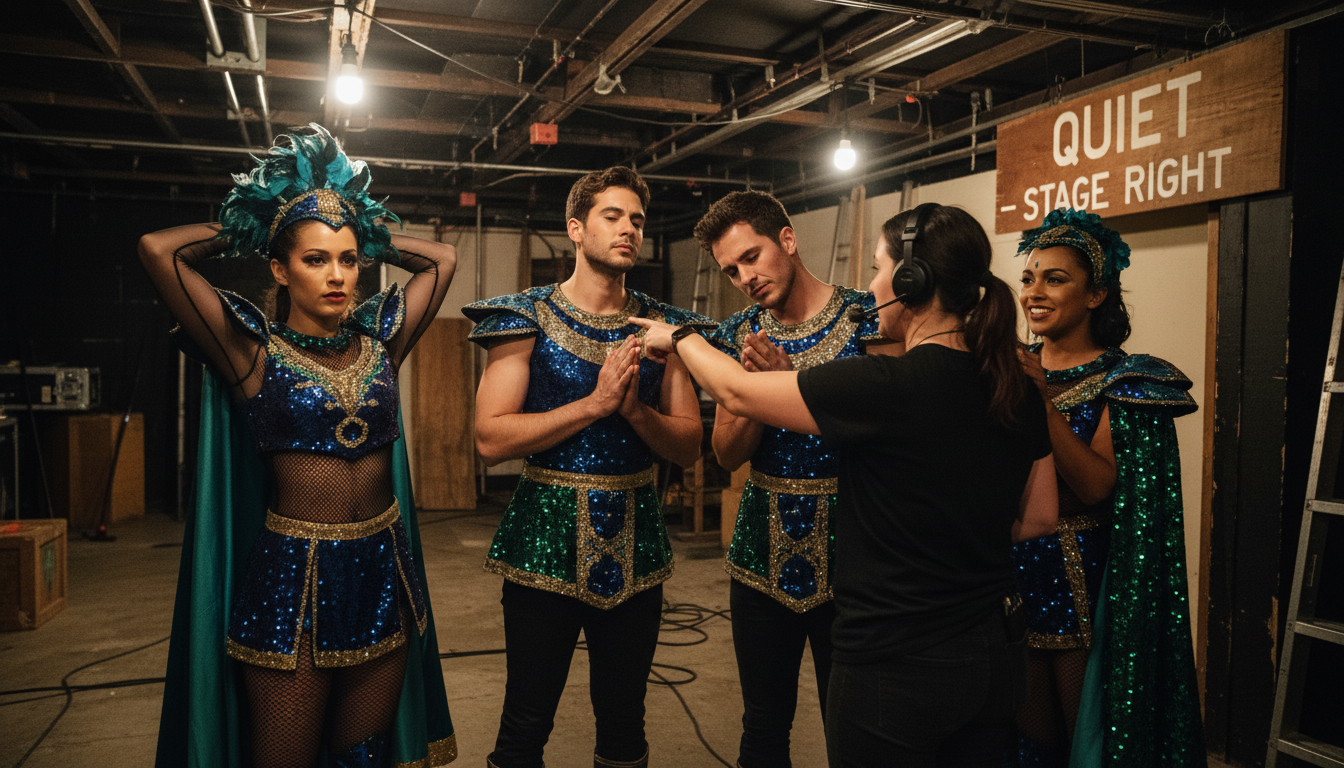
Props and costumes add depth to any performance. Look around your home for items that can be repurposed. Everyday objects can become creative props with a bit of imagination. Costumes need not be elaborate; simple changes in attire can signify different characters or moods.
Lighting Techniques
Lighting is a powerful tool in setting the scene. Use a combination of natural and artificial light to create different effects. Experiment with shadows and highlights to add drama and focus.
Consider using LED lights or portable lamps to spotlight actors or specific areas of the stage. Adjusting the intensity and direction can help create a dynamic atmosphere that enhances the storytelling.
Engaging the Audience
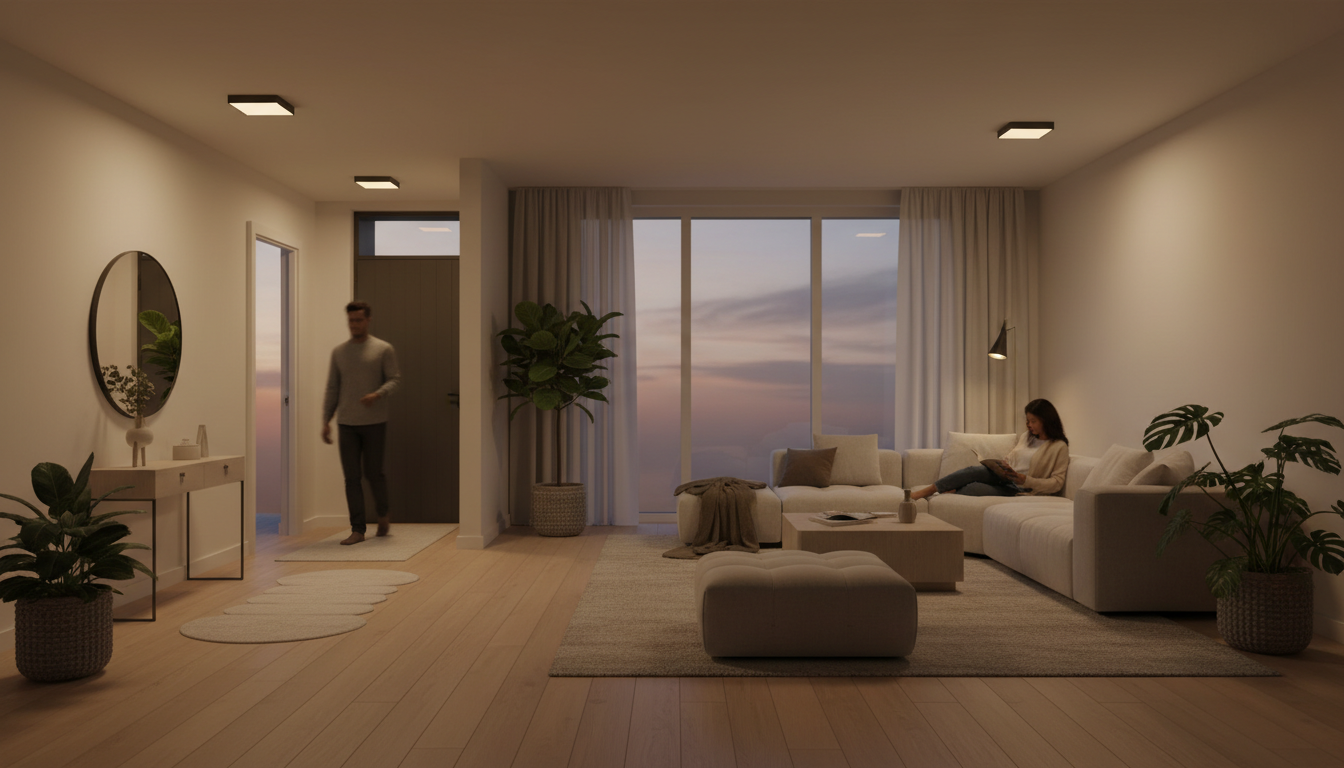
Engaging your audience is key to a successful remote theater experience. Encourage interaction by involving them in the performance. This could be through direct address or interactive elements within the play.
Consider using social media or live chat platforms to allow the audience to express their thoughts and reactions in real time. This can create a sense of community and shared experience, even from a distance.
Technical Considerations
Ensure that your internet connection is stable and capable of streaming your performance. Test your equipment beforehand, including cameras, microphones, and any streaming software you plan to use. Practice makes perfect, so run through your setup multiple times to iron out any technical glitches.
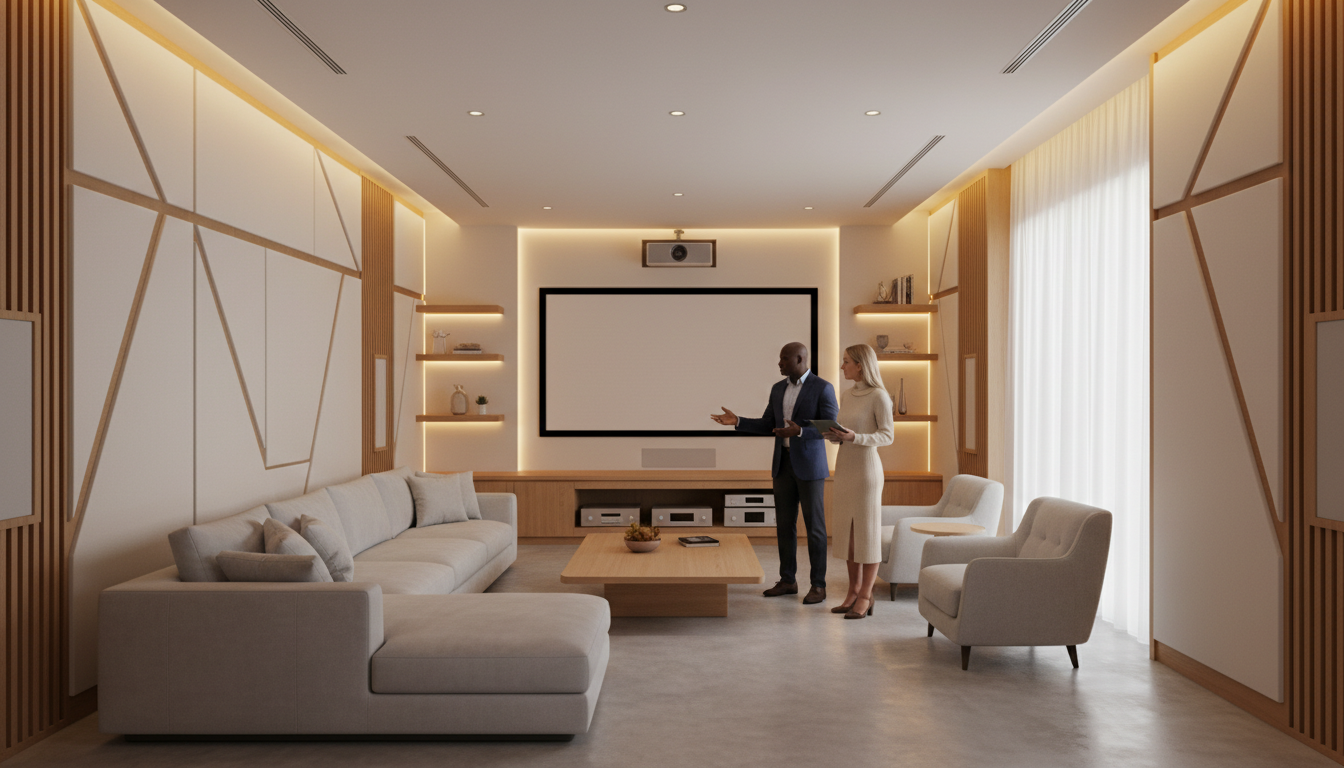
Position your camera to capture the best angles and ensure good visibility of the actors. A tripod can help maintain steady shots, reducing distractions from camera movement.
Rehearsing in a New Space
Rehearsing in your living room can feel different from a traditional stage, so it's essential to adapt. Practice your movements and ensure that your blocking is suitable for the available space. Familiarize yourself with any new technical aspects, such as camera angles and microphone placement.
Encourage actors to give feedback on how they feel in the space. This can help identify any issues and ensure everyone is comfortable with the setup.
Final Preparations
The final steps involve a complete run-through with all elements combined. This includes lighting, sound, and technical equipment. Make any last-minute adjustments to ensure everything runs smoothly.
Remember, the goal is to create an immersive experience for your audience. With careful planning and creativity, your living room can become a captivating stage for remote theater.